
Social
A bullied child learns to make herself small. She stops raising her hand, stops looking for a seat at the table, stops trusting that friendship is safe. Years later she may still enter a room measuring the exits first.
The inspiring journey of Martina Robles Gallegos. From an undocumented teenager overcoming extreme adversity to a bilingual educator, Master's graduate, author, and cultural dancer.
Six moments from a life that refused to be small. Read them slowly, as you would a book on a quiet afternoon.
I emigrated from Mexico at fourteen and spoke absolutely no English. My Spanish, uneven and rural, became a source of ridicule long before I understood the words being used against me.
A visiting high school teacher spoke to my junior high teachers and asked them to give me a chance. Because of her, I was promoted to high school. She has been a friend and supporter ever since.
I lost my mother to suicide in the middle of high school, and later my sister as well. Grief did not stop the work. I graduated as a top ESL student and enrolled in university.
I earned my bilingual teaching credential and chose the district closest to home. For years I taught first and second graders, the children other teachers had rejected. I was glad to have them.
A massive hemorrhagic stroke came after a work injury and surgery. Nobody expected me to survive. I did. I completed my Master's degree, began writing books, and discovered a second creative life.
I dance with a Folklorico group at community centers, read poetry at my local library, take ukulele classes, and study Italian. Teaching taught me that a life can always begin again.
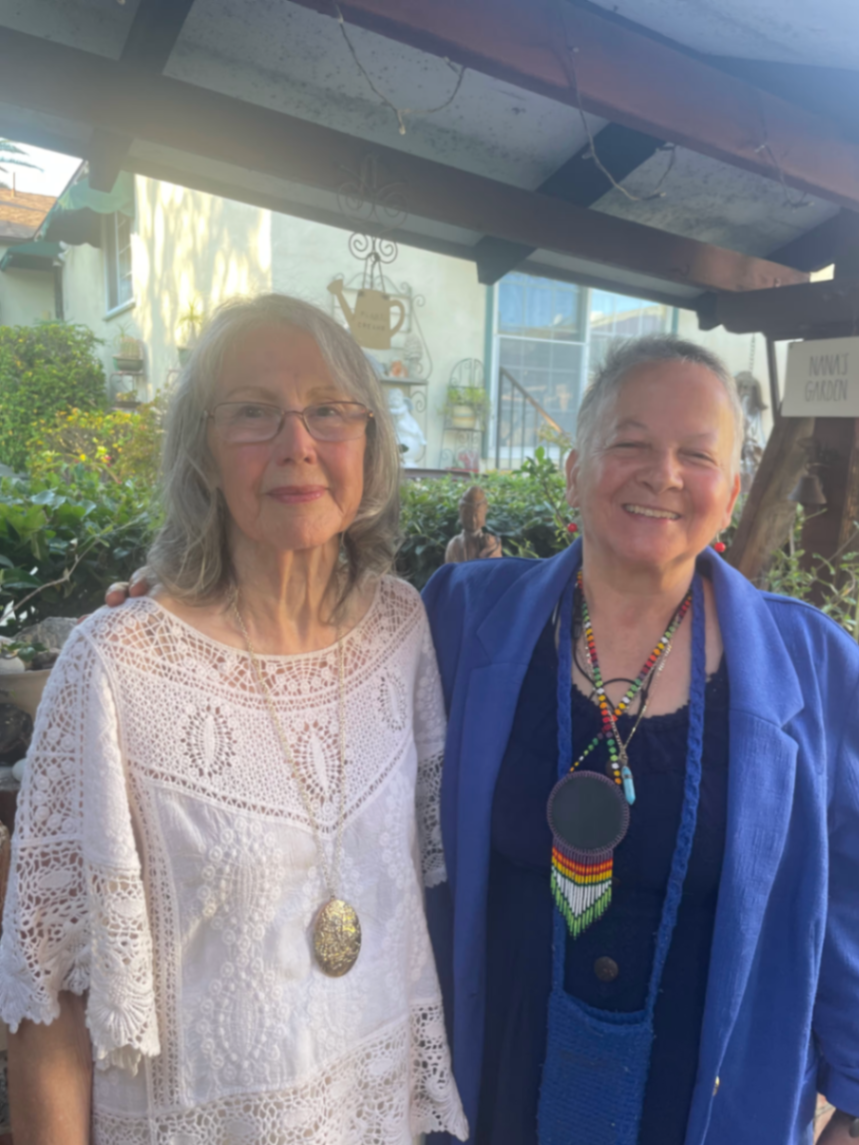
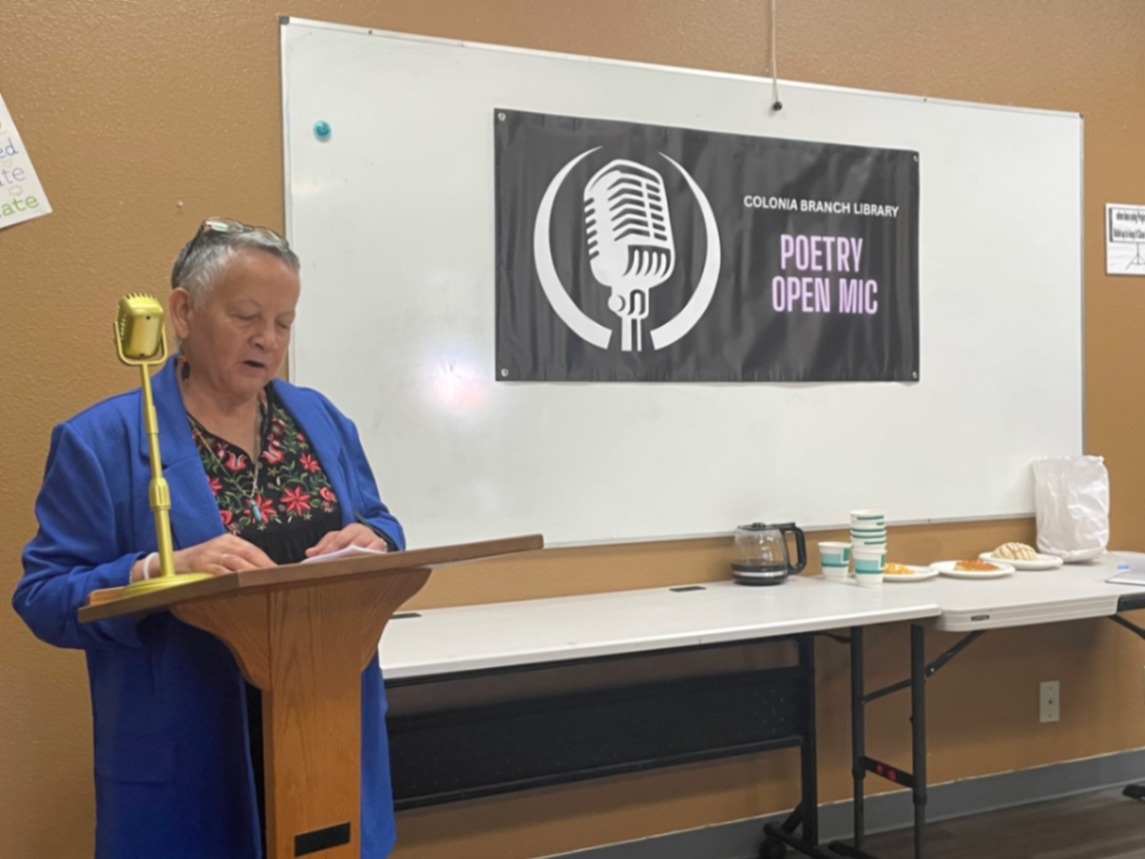
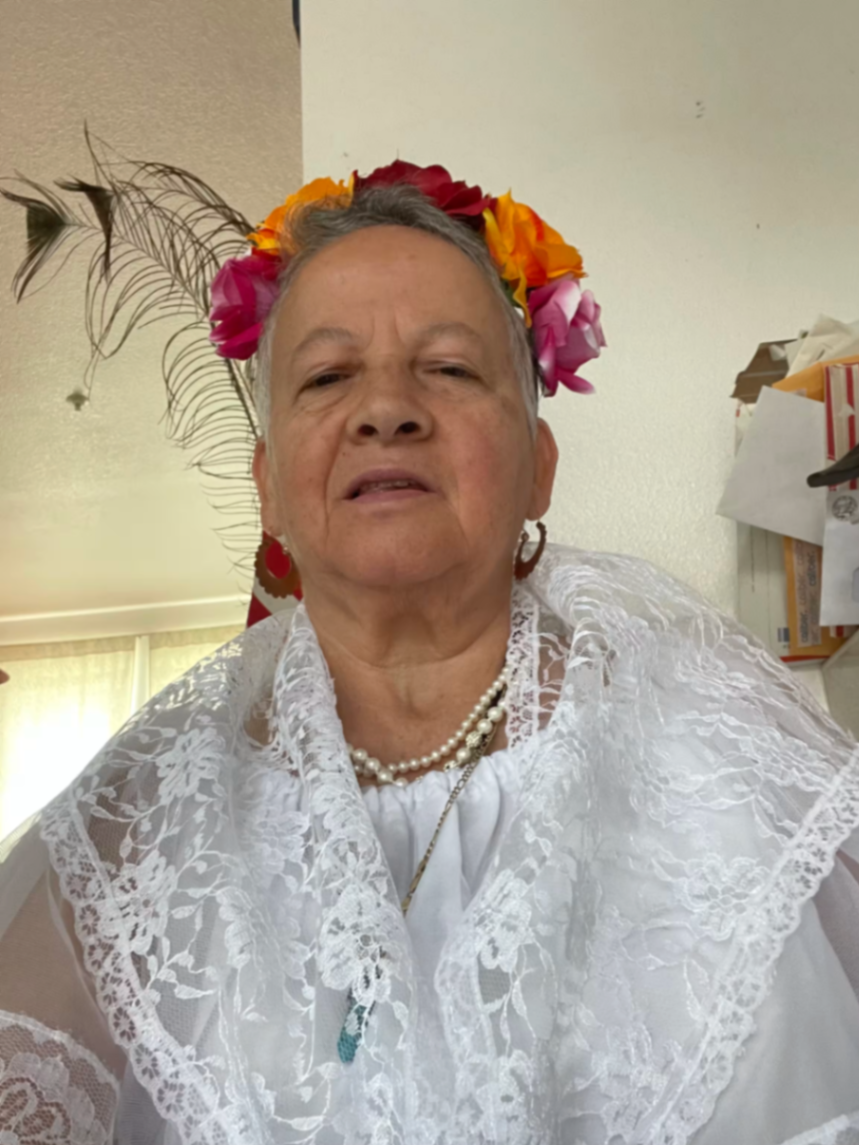
Teaching bilingual first and second graders
“Some teachers sentenced me to a life of failure. I proved everyone wrong without even trying.”
Martina Robles Gallegos
I arrived in this country at fourteen without a word of English, and with a rural Spanish that others decided was worth laughing at. I know what it costs a child to be made into a joke — and I know it does not end when the school bell rings.
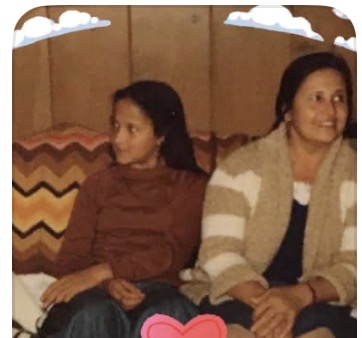
My mother and I, recent arrivals to the United States. I was fourteen, and I did not yet know how much I would have to defend.
A bullied child learns to make herself small. She stops raising her hand, stops looking for a seat at the table, stops trusting that friendship is safe. Years later she may still enter a room measuring the exits first.
Shame arrives long before the vocabulary to name it. Children carry a quiet grief for the person they were before the mockery started, and many of them carry it into adulthood without ever telling a soul.
Anxiety, sleeplessness, a voice that repeats the cruelty when no one else is around. Bullying rewrites how a person hears their own name — and, for some, it reaches as far as thoughts of not being here at all.
A brain braced for humiliation cannot learn. Grades slip, attendance falters, and adults call it laziness. I have taught the children other teachers had already written off, and not one of them was lazy.
If you are the one being laughed at right now: the names they give you are not your name. Keep your own list. Mine was longer than theirs.
Some people, the moment they believe they have power, begin to look for someone to use it on. It happens in schools, in offices, in hospitals, in families. The power is rarely real; what is real is the damage.
I have watched adults who were trusted with children decide that a girl who could not yet speak English was fair game. I have watched people with a little authority mistake it for permission. And I have watched every one of them eventually put that authority down.
A person who needs to make someone else smaller in order to feel large is telling you exactly how small they feel. That is not power. That is fear wearing power's coat.
I write about it because silence protects only the one doing the harm. Naming it is how the next child learns that what happened to them was never about their worth.
“Fear wearing power’s coat still has to take the coat off at the end of the day.”
Martina Robles Gallegos
A title, a classroom, a desk, a uniform, a group of people willing to laugh along. None of it is earned character — it is borrowed authority, and the person holding it often knows that better than anyone.
It is spent on whoever cannot answer back: the newcomer, the child with an accent, the patient in the wheelchair, the employee who needs the job. Real strength has no interest in easy targets.
The badge is returned, the position ends, the audience walks away — and what is left is only the person. Meanwhile the one they diminished is still here, still building, still writing it all down.
Parents, a mother, a husband, a daughter, and the land behind all of it. Click any photograph to open it full-view — use Esc and the arrow keys to move through them.
Not family, and not strangers either. Teachers, advisors and a reading community who believed the work was worth finishing.
Puzzles, a new language, a garden, birds, a needle and thread. None of it looks like medicine, and all of it has been. Click any image to open it full-view — use Esc and the arrow keys to move through them.
Right after the stroke I started learning Latin, until a polyglot embarrassed me about it and I stopped. Then I picked up Portuguese and Italian at the same time, and eventually stayed with Italian alone. I had already learned American Sign Language years earlier, at university. Every one of them was a way of asking my brain to keep working.
Mother tongue. The one nobody could take.
Learned at fourteen, under ridicule. Taught it for decades after.
Studied at university, years before the stroke.
Started right after the stroke. Set aside when a polyglot mocked me.
Picked up alongside Italian, then let go of.
The one I kept. Practiced daily, for no reason but joy.
Memoirs and poetry in English and Spanish. Click any cover to read more, or go straight to its page on Amazon.
Martina's full catalogue lives on her Amazon author page — paperbacks and Kindle editions, in English and Spanish, including the newest chapbooks. Her poems also appear in anthologies and literary journals throughout the year; write to her if you are looking for a specific piece.
Published and forthcoming work. Some of it answers what was done to her; some of it answers what is being done to others.
When I know I've given my all, but my all hasn't been enough, should I give up?
No, because even plants that wither come back to life.
When I can no longer see light in people's eyes or hearts, should I give up?
No, because even a stray ember can cause a fire.
When I see people making me invisible, should I give up?
No, because even a rusty jewel will shine again.
When people call me names for something I had no control over, should I give up?
No, because my list of beautiful names is much longer than theirs, and I created it with hope, faith, grace, and dreams that nobody will ever take away.
When all doors slam forcefully on my face, should I then give up?
No, because as long as I have hope in my heart and mind, I know other doors will open.
When the few people I trusted let me down, should I give up?
No, because that simply means I'm giving up on myself, and giving up is not in my nature.
First published in Dawn Blossom Club, August 2, 2025
Libraries, cultural centers, senior centers, and schools are warmly invited to host poetry readings, book talks, and collaborative events with Martina and her dance group.